
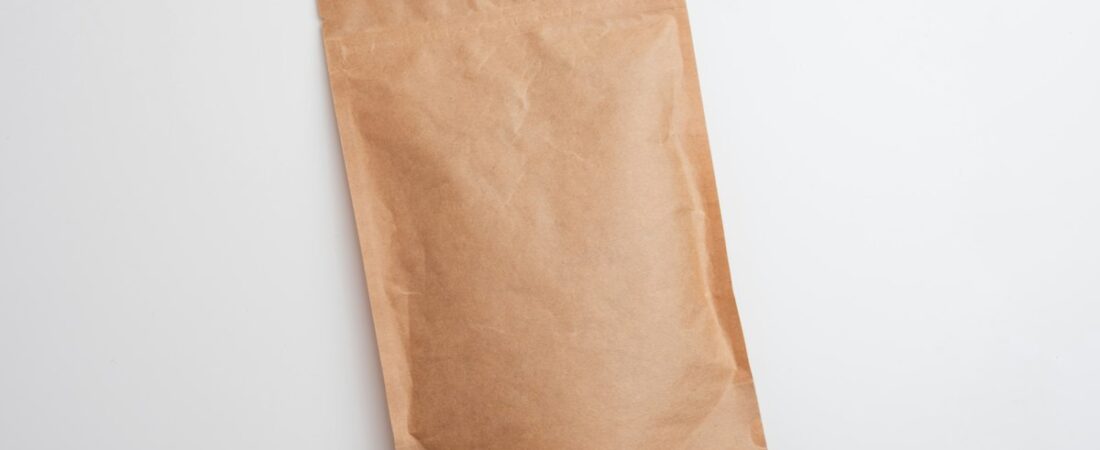
Kraft Pouches: Types, Uses, Manufacturing & Food-Grade Safety
Kraft pouches are flexible packaging formats made with kraft paper or kraft-paper-based laminates. Their appearance can suggest a simple paper bag, but performance depends on the layers, seals, barrier properties and intended contents. This guide explains pouch types, dimensions, material structure, food-contact checks, printing, storage and how to write a reliable purchasing specification.
An independent, practical guide for buyers, packaging teams and operations managers. The right specification depends on the actual product, handling route and business requirements.

1. Common types of kraft pouches
Kraft pouches are available in different constructions, including flat pouches, gusseted pouches, stand-up formats, zipper pouches, window pouches and paper-based laminates. Availability and actual structure vary by supplier. Names alone do not establish barrier performance or suitability for a product.
- Flat pouch: simple format for products with modest volume and a suitable filling method.
- Gusseted pouch: extra side or bottom depth can increase capacity and help the pack expand.
- Stand-up pouch: a bottom gusset is designed to help the pouch stand when filled; stability depends on dimensions and contents.
- Zipper pouch: offers a reclosable feature, but the zipper does not necessarily make the pouch airtight or moisture-proof.
- Window pouch: includes a viewing panel; the window material and joining method affect recyclability and barrier properties.
- Laminated pouch: combines paper with one or more other layers to achieve specific sealing or barrier functions.
2. Understand the material layers
Kraft paper contributes appearance, printability and some stiffness, but paper alone is not automatically a sufficient barrier against moisture, oxygen, oils, aromas or contamination. Some applications use inner films, coatings or laminates. These layers can affect heat sealing, puncture resistance, product compatibility and end-of-life handling.
Ask the supplier for the actual material structure and intended use. If a pouch is described as “paper,” “food grade,” “compostable” or “recyclable,” ask what evidence supports that description and what conditions apply. Do not infer a barrier property from the outside appearance.
3. Choose dimensions by the filled product
Measure the product volume and shape, then consider how it will be filled, sealed, stored and displayed. The nominal pouch width and height are not the same as usable internal capacity. Sealing margins, gussets, zipper position and product shape all affect the fill area.
Test a sample using the actual product quantity. Check whether the pouch can be filled without spillage, sealed without product in the seal area, and stored without tipping or bursting. For granular or irregular contents, account for settling and headspace. Do not rely on a generic “grams capacity” unless the supplier states the test product and conditions; different products have different bulk densities.
4. Food-contact safety: what buyers should verify
If the pouch will contact food, suitability must be confirmed for the intended food type and conditions of use. Relevant factors can include dry, moist, acidic or fatty food; temperature; contact duration; storage conditions; and whether the food touches the paper or an inner layer. A pouch intended for dry snacks may not be appropriate for oily or wet foods.
Request current, relevant food-contact documentation from the supplier and verify that it applies to the exact pouch construction, not just a similar product. Check applicable Indian requirements and any destination-market rules if exporting. Do not treat a generic logo, verbal assurance or the words “food grade” as sufficient proof on their own. If the application is regulated or high-risk, consult a qualified compliance professional or testing laboratory.
Also confirm whether the pouch provides the required moisture, oxygen, grease or aroma barrier. Food safety and shelf-life performance are different questions: a material may be suitable for contact but still not provide the shelf-life barrier your product needs.
5. Printing and customisation
Custom printing depends on artwork, number of colours, print method, pouch material, dimensions, print area and production quantity. Ask for a proof that shows placement, colour, bleed, safe margins and any restrictions around seals or zippers. Confirm whether the quoted price includes cylinder or plate charges, setup, artwork preparation, sampling and freight.
Small quantities can have a high per-unit cost because setup and production preparation are spread across fewer units. Before approving a large run, review a physical sample or a supplier-approved proof and confirm spelling, dimensions, colour expectations and required information.
6. Incoming quality and use checks
- Verify pouch width, height, gusset and seal margins.
- Inspect for pinholes, tears, delamination, contamination and damaged zippers.
- Check seal consistency using the intended filling and sealing process.
- Confirm the pouch stands or stacks as expected when filled.
- Check print alignment, legibility and colour against the approved proof.
- Confirm material documents match the supplied construction and intended contents.
- Store samples and retain batch information for repeat orders.
7. Compare quotes and minimum order quantities
Compare like-for-like specifications: material layers, dimensions, thickness or grammage where applicable, barrier properties, zipper/window, printing, tolerances, quantity, lead time, freight, taxes and payment terms. A cheaper pouch may have a different inner layer, smaller usable capacity or weaker seals.
For printed pouches, ask separately about setup charges and minimum quantities. Consider forecast demand, shelf space, artwork changes and the risk of obsolete printed stock. If you are testing a new product, an unprinted or standard pouch may be a lower-risk trial option if it meets the functional requirements.
8. Storage and handling
Store pouches clean, dry and away from direct sunlight, excessive heat, moisture, odours and crushing. Keep them covered and prevent dust from entering the pouch. Follow any supplier guidance for temperature, humidity and shelf life. Avoid using pouches with damaged seals, visible contamination or unexplained changes in material condition.
Kraft pouch buying questions that are easy to overlook
What does “kraft pouch” mean?
Kraft describes a paper type or appearance, not a complete packaging specification. A pouch may be made from paper alone or from a laminated structure that includes plastic or other barrier layers. The outer surface can look like kraft paper even when the pack is not paper-only. Always ask for the material structure and intended function before comparing price or making disposal claims.
How do I choose the correct pouch size?
Start with the product’s packed dimensions and shape, not just its net weight. Two products with the same weight can occupy different volumes. Check the usable internal width, height, gusset depth and seal area. The top seal or zipper area is not fully usable product space. Fill a sample with the actual product, close it using the intended method and check whether it stands, seals and opens as expected. For bulky or irregular products, sample testing is more reliable than a weight-only estimate.
What is the difference between GSM and micron?
GSM means grams per square metre and measures material mass per area, commonly used for paper. Micron is a unit of thickness often used for film. They are not interchangeable. A higher GSM paper is not automatically stronger in every direction, and film thickness alone does not define barrier performance or seal quality. Compare the right specification for each layer and the pouch’s intended use.
What should I ask about barrier properties?
If the pouch must protect against moisture, oxygen, aroma loss, grease or light, state which risk matters and ask what evidence the supplier can provide. A kraft-looking pouch does not automatically provide a high barrier. Products such as coffee, snacks, powders, oils or moisture-sensitive goods can have different requirements. Shelf life also depends on the product, filling conditions, seal integrity and storage. Do not select a pouch based on appearance alone.
What does food-grade mean?
Food-contact suitability applies to the complete pack and its intended conditions of use, not merely the paper layer. Ask for documentation that matches the actual material structure, food type, contact conditions and applicable market. Printing inks, adhesives, coatings, inner films and recycled content can matter. Do not assume a decorative kraft pouch is suitable for direct food contact without confirmation.
Printing, sealing and storage
Confirm print area, colours, artwork file, finish, minimum quantity, sample approval and whether printing changes the material or lead time. Ask whether the pouch is heat-sealable, zipper-closable or intended for another closure method, and use the recommended sealing settings. Store unused pouches sealed in a clean, dry environment and follow the supplier’s handling guidance. Test seals and appearance after filling; a pouch that looks good empty may behave differently when loaded.
Pouch specification checklist
- Product type, fill weight and packed dimensions.
- Required structure, layers and thickness or paper weight.
- Barrier needs and intended shelf life, if relevant.
- Food-contact or other compliance documents where applicable.
- Closure type, seal width and filling process.
- Printing, finish, artwork and sample approval.
- Quantity per design, MOQ, lead time and delivery terms.
Troubleshooting pouch problems
The pouch will not stand upright: check whether it has a bottom gusset or flat base and whether the filled product distributes weight evenly. A flat pouch may need a different format or a support structure.
The pouch leaks at the top: review the sealing method, seal area, contamination from product particles, temperature, pressure and dwell time if heat sealing is used. Follow the material supplier’s process guidance and validate the seal with the actual contents. Do not assume that a zipper alone creates an airtight or moisture-proof closure.
The pouch tears at the gusset or corner: inspect the packed weight, sharp edges, filling method and material structure. A pouch that holds the product while stationary may still fail when dropped or squeezed during transit.
Product loses aroma or becomes soft: check the required barrier, seal integrity, storage conditions and product shelf-life needs. A paper exterior does not prove that the inner layer provides the right oxygen or moisture barrier.
Printed colour varies: confirm artwork, print method, substrate, proof approval and acceptable colour variation. Natural kraft surfaces can vary in appearance and may affect how printed colours look.
What information should appear on the pouch specification?
Include the pouch’s finished dimensions, gusset, material structure, layer thickness or paper weight, closure, print coverage, fill weight, intended product, barrier needs, compliance requirements, quantity, sample approval and delivery schedule. Keep a dated specification so a repeat order can be compared against the same version.
Questions to resolve with the pouch supplier
Ask for a drawing or sample that clearly identifies finished dimensions, gusset, seal area, closure and material layers. Request the documentation that applies to the product’s intended use, particularly when the pouch will contact food or needs a specific shelf life. If the pouch has a window, zipper, valve or special coating, confirm how that feature affects the barrier and sealing process.
Ask how artwork should be supplied, what proof will be approved, how colour variation is handled on kraft surfaces and whether print setup is a separate charge. Confirm the minimum order for each design and whether multiple designs can share a production run; do not assume they can. Lead time should state what approvals or payments must happen before production begins.
Before placing a larger order, fill and seal a sample using the real product and intended equipment. Inspect the seal, pouch shape, opening, product fit and any visible marks. If shelf life or product safety matters, use the appropriate technical validation rather than relying on a visual sample alone.
How to compare pouch prices correctly
Before comparing per-piece prices, confirm that the pouch dimensions, layer structure, closure, print coverage, order quantity and packing configuration are equivalent. A pouch with a zipper, barrier layer or printed design may not be comparable with a plain paper pouch. Also check whether setup, artwork, sampling, delivery and taxes are included. A lower price at a quantity much larger than you can use may create storage and working-capital costs.
For a realistic trial, fill the pouch with the intended product, seal it using the intended process and measure the packed dimensions. Inspect the seal and pouch after normal handling. If the product requires a defined shelf life, include appropriate barrier and seal validation in the purchasing decision; visual appearance and a short leak check do not establish shelf-life performance.
Buying questions, testing and common mistakes
Does a brown kraft exterior mean plastic-free or recyclable?
No. The pouch may include inner film, foil, coatings, adhesives, windows, zippers or laminates. Request the full layer structure in writing. End-of-life claims depend on the whole pack and local recovery systems, not its colour.
GSM versus microns
GSM is mass per square metre; microns measure thickness. They are not interchangeable. Materials with the same thickness can differ in stiffness and performance, and laminates contain multiple layers. Request the specification for the finished structure and each relevant layer.
How should dimensions be specified?
Clarify whether width and height refer to finished external dimensions, usable internal area or flat dimensions. For gusseted pouches, state gusset depth and measurement method. Fill a sample with the real product and check headspace, closure, stability and appearance. Capacity in millilitres does not translate consistently to fill weight because bulk density varies.
What does food-contact suitability require?
A generic “food grade” label or verbal assurance is not enough. The structure, inks, adhesives, coatings, food type, temperature, contact duration and destination-market rules may matter. Request relevant documents for the exact construction and intended use. For oily, acidic, aromatic, moist or long-shelf-life products, confirm barrier and seal suitability with a qualified packaging or regulatory specialist if needed.
Barrier and shelf-life needs
Moisture, oxygen, light, aroma and grease are different risks. A pouch that protects against dust may not provide enough moisture barrier. A window can change light exposure, and a zipper does not automatically create a hermetic seal. Define storage conditions and shelf-life goals before choosing a structure; do not infer shelf life from appearance.
Printing, sealing and quote checks
- Confirm artwork size, print area and colour expectations.
- Approve a physical sample or production proof before a large run.
- Check seal width, contamination, leakage and opening behaviour.
- Check zipper alignment after filling.
- Clarify whether MOQ applies per size, design or artwork.
- Compare dimensions, layers, closure, print, taxes, freight and setup charges.
For every new pouch, record intended product, fill weight, dimensions, construction, barrier requirements, closure, artwork version and test result. This makes repeat orders easier to verify.
Storage, handling and incoming inspection
Store pouches in clean, dry conditions and protect them from dust, odours, crushing and direct sunlight where the construction may be sensitive. Keep sizes and material versions clearly labelled so operators do not mix old and new specifications. On receipt, check quantity, dimensions, print, seal appearance and visible damage against the approved sample. For critical food or cosmetic applications, define a documented acceptance process and retain relevant supplier documents. If a pouch changes appearance or feel between orders, ask whether the structure or source has changed rather than assuming it is identical.
What to put in a pouch brief
A useful request to a supplier states what the pouch will contain, the fill weight or volume, the dimensions, closure type, shelf-life objective, barrier requirements, storage conditions, print requirements, order quantity and destination market. Include a sample or photograph of the product where useful. Ask the supplier to identify assumptions and confirm the complete structure in writing. This prevents a quote for a visually similar but functionally different pouch from being treated as equivalent.
FAQs
Are all kraft pouches plastic-free?
No. Some use inner films, windows, coatings, zippers or laminates made from other materials. Confirm the exact construction.
Are kraft pouches automatically food safe?
No. Food-contact suitability must be confirmed for the specific pouch and intended food conditions.
Can I estimate pouch capacity from dimensions?
Dimensions provide a starting point, but shape, gusset, product density and fill method affect capacity. Test with the actual product.
Why does custom printing have an MOQ?
Setup, tooling, production and quality checks create fixed costs. The minimum varies by supplier, print method and specification.
What information should a quotation request include?
Include intended contents, pouch style, dimensions, material construction, barrier needs, quantity, printing, destination and any compliance requirements.
Looking for practical packaging options for your business?
Explore our packaging products or request a bulk quote for your requirements.